
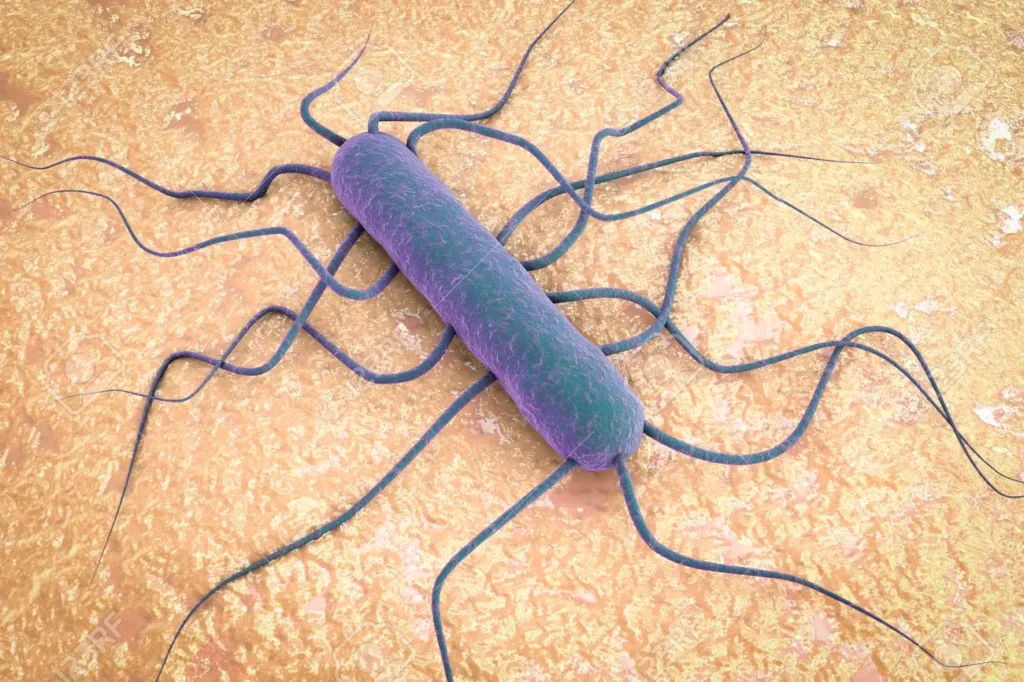
Listeria is a rod-shaped, Gram-positive bacterium that somewhat resembles a spider. It is commonly found in nature and is present in soil, water, and the intestines of many animals, including humans. The Listeria bacterium can cause a disease called listeriosis. The most common clinical presentation in adults is blood poisoning (sepsis) or meningitis.
Listeria bacteria are hardy bacteria that can grow at refrigerator temperatures. Foods typically at risk of Listeria contamination therefore include products with long shelf lives, such as smoked and gravad salmon, unpasteurized and pasteurized dessert cheeses, ready-to-eat meals, and packaged deli meats, such as sandwich fillings.
Dangerous for pregnant women and people who are ill
Symptomatic infection in humans is rare. Given that most of us have likely ingested large amounts of Listeria bacteria over the years without becoming ill, the bacterium should perhaps be considered relatively harmless to most of us. However, it can be dangerous for people with compromised immune systems, including pregnant women, the seriously ill, and the elderly.
The number of reported Listeria cases has increased in recent years, from between 40 and 50 in the early 2000s to between 50 and 170 in recent years. The majority of cases involve people who contracted the infection domestically; they belong to older age groups and/or have compromised immune systems due to underlying medical conditions or other causes. The increase in reported cases of listeriosis is observed both in Sweden and internationally in Europe.
Every year, Sweden’s municipalities and the Public Health Agency of Sweden report approximately 2,000–3,000 cases of food poisoning to the Swedish Food Agency. However, the vast majority of those affected recover from their stomach illness at home without reporting it further. This makes it difficult to estimate the total number of cases of food poisoning. However, it is estimated that approximately half a million Swedes are affected each year.
The Swedish Food Agency's ranking
In the Swedish Food Agency’s2019 report “The Burden of Disease from Domestic Cases of Food Poisoning,”the annual number of food poisoning cases caused by our most common foodborne pathogens is estimated as follows:
- Norovirus (168,611)
- Toxin-producing bacteria (6,723 to 171,063)
- Campylobacter (15,549 to 59,965)
- Salmonella 3,266 to 6,068)
- Cryptosporidium (22 to 454)
- STEC/EHEC (747 to 2,918)
- Yersinia enterocolitica (950 to 3,080)
- Listeria (49 to 168)
- Toxoplasma (11)
- Hepatitis E virus (2 to 23)
The microorganisms listed above account for a total of approximately 280,000 cases of illness per year. The vast majority of cases are caused by norovirus (winter vomiting), followed by bacterial toxins, and then Campylobacter. Listeria low on the list with only 49 to 168 cases per year, but when mortality is taken into account, a different picture emerges.
The report also ranks microorganisms using the DALY method, which, in addition to the number of cases, takes into account the severity of the illness among those affected—in that ranking (see the figure below), Campylobacter comes in first, followed by norovirus and STEC/EHEC. Listeria ranks fourth, even though there are so few cases in Sweden.

For more information and updates on Listeria , please visit the following government agencies: